Ultimate Guide to Ceiling Dehumidifiers for Home: Improve Comfort and Air Quality
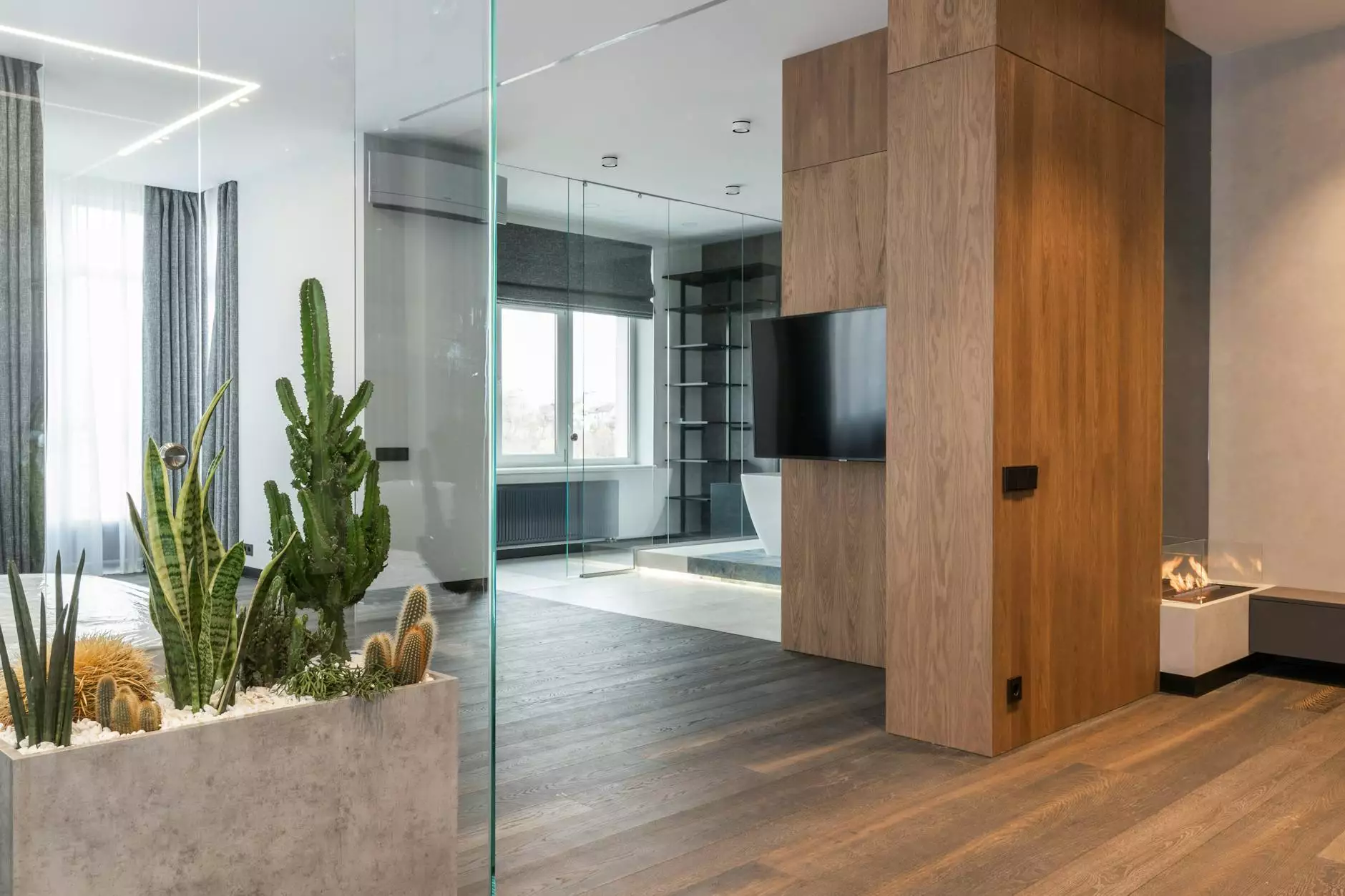
In today's modern homes, maintaining optimal air quality and humidity levels is essential for health, comfort, and the longevity of your property. Among the innovative solutions emerging in home climate control, ceiling dehumidifiers for home stand out as a revolutionary technology that combines efficiency, space-saving design, and superior performance. This comprehensive guide explores everything you need to know about ceiling dehumidifiers, their benefits, installation tips, maintenance, and how they can significantly improve your living environment.
Understanding the Importance of Proper Humidity Control in Homes
Humidity plays a crucial role in our indoor environment. Too much moisture can lead to mold growth, musty odors, and structural damage, while too little can cause dry skin, respiratory issues, and discomfort. The ideal home relative humidity level should be between 30% and 50%. Achieving and maintaining this balance can be challenging, especially in areas prone to moisture, such as basements, bathrooms, kitchens, and attics.
Traditional dehumidification methods involve portable units placed on the floor or wall-mounted systems that occupy valuable space. However, ceiling dehumidifiers for home provide a smart, discreet alternative that integrates seamlessly into your home's infrastructure, ensuring consistent humidity control without sacrificing aesthetic appeal or space.
What Are Ceiling Dehumidifiers for Home?
Ceiling dehumidifiers for home are specialized climate control systems installed directly into the ceiling structure. Unlike conventional units, they are designed to blend into your ceiling's architecture, providing an unobtrusive way to regulate indoor humidity levels. They operate by drawing in moist air from the room, removing excess moisture, and releasing dry air back into the environment.
These systems utilize advanced technology, such as rotary compressors, desiccant materials, or hybrid systems, to deliver efficient moisture removal. They are suitable for various types of residences, including apartments, houses, and commercial spaces looking to optimize air quality effortlessly.
Benefits of Installing Ceiling Dehumidifiers for Home
- Space-Saving Design: Integrated into the ceiling, these units free up valuable floor and wall space, ideal for small or cluttered rooms.
- Enhanced Aesthetics: Seamless installation ensures your interior design remains clean and modern without bulky appliances.
- Consistent Humidity Control: Ceiling placement allows for uniform distribution of dry air across the entire room, preventing hotspots or uneven moisture levels.
- Energy Efficiency: Modern ceiling dehumidifiers are engineered to consume less power while delivering maximum moisture removal, reducing energy bills.
- Improved Indoor Air Quality: Effective dehumidification inhibits mold, dust mites, and bacteria growth, creating a healthier environment for occupants.
- Low Maintenance: Most ceiling dehumidifiers are designed with easy-to-access filters and components, making upkeep straightforward.
- Compatibility with Home Automation: They can be integrated into smart home systems, offering remote control and automation capabilities for optimal comfort.
Where to Install Ceiling Dehumidifiers for Home
Proper placement of your ceiling dehumidifiers for home is vital for optimal performance. Ideally, these units should be installed in areas with high humidity levels or where moisture accumulation is prevalent, such as:
- Basements and crawl spaces
- Bathrooms and laundry rooms
- Attics and lofts
- Kitchen areas prone to steam and condensation
- Living rooms and bedrooms for overall comfort
Consulting with a professional installer ensures the system is correctly positioned for maximum airflow and efficiency. Ceiling dehumidifiers should be placed away from obstructions like large light fixtures or ceiling fans that could disrupt airflow.
Installation Process and Considerations
Installing ceiling dehumidifiers for home requires careful planning and professional execution. The main steps include:
- Assessment of the Space: Evaluating humidity levels, room size, and ceiling structure.
- Design and Planning: Choosing the right capacity and model based on room requirements.
- Ceiling Preparation: Creating an appropriate mounting cavity or integrating the unit into existing ceiling frameworks.
- Electrical and Ductwork Connections: Ensuring proper wiring and ventilation pathways for optimal operation.
- Final Installation: Securing the unit, sealing any penetrations, and testing functionality.
It’s essential to hire certified HVAC professionals experienced with ceiling systems to ensure safety, compliance, and longevity of the installation.
Maintenance and Troubleshooting of Ceiling Dehumidifiers
Keeping your ceiling dehumidifiers for home in excellent condition guarantees reliable performance over time. Some essential maintenance tips include:
- Regular Filter Checks: Cleaning or replacing filters as recommended by the manufacturer to prevent dust buildup.
- Inspecting Drainage Systems: Ensuring condensate drains are clear to prevent leaks or water damage.
- Electrical Component Checks: Verifying wiring and controls periodically for safety and efficiency.
- Monitoring Humidity Levels: Using a hygrometer to ensure your system maintains ideal moisture levels.
If you encounter issues such as reduced dehumidification capacity, strange noises, or error codes, consulting a qualified technician can resolve these problems quickly and effectively.
Cost Considerations and Return on Investment
While the initial investment in ceiling dehumidifiers may be higher than portable units, the long-term savings justify the expenditure. Benefits include:
- Lower Energy Consumption: Highly efficient units consume less power compared to traditional dehumidifiers.
- Protection of Property: Preventing mold damage and structural decay saves repair costs.
- Enhanced Comfort and Wellbeing: Better air quality significantly improves health and comfort for residents.
- Increased Home Value: Modern, integrated systems appeal to prospective buyers seeking smart and healthy homes.
Investing in ceiling dehumidifiers is not only a step towards a healthier living space but also a financially sound decision that pays off over time.
How Humidity Experts Can Help You Achieve Optimal Home Climate Control
With years of experience in home automation and climate control solutions, Humidity Experts specializes in custom-designed ceiling dehumidifier systems tailored to your specific needs. Our services include:
- Comprehensive home humidity assessment
- Professional selection of dehumidifier models and capacities
- Expert installation ensuring seamless integration
- Ongoing maintenance and support
- Integration with smart home systems for remote management
Our goal is to transform your living environment into a healthier, more comfortable space where moisture-related issues are efficiently managed. Trust us to bring advanced technology and expert craftsmanship to your home.
Conclusion: Embrace Innovative Humidity Control with Ceiling Dehumidifiers for Home
In the realm of home improvement, ceiling dehumidifiers for home stand out as a forward-thinking solution for maintaining optimal indoor air quality and comfort. Their discreet design, efficiency, and ability to provide uniform humidity control make them an excellent choice for modern homeowners seeking smart, effective climate management.
Whether you're targeting moisture issues in your basement, eliminating mold risks in your attic, or ensuring perfect air quality throughout your residence, ceiling dehumidifiers are a smart, elegant, and long-term investment. Collaborate with specialists like Humidity Experts to harness the full potential of this innovative technology and enjoy cleaner, healthier, and more comfortable living spaces every day.
Take control of your home’s environment today by exploring the benefits of ceiling dehumidifiers and experience the difference in quality of life and property preservation.