Comprehensive Guide to Laparotomy Salpingo Oophorectomy: Surgical Excellence in Obstetrics & Gynecology
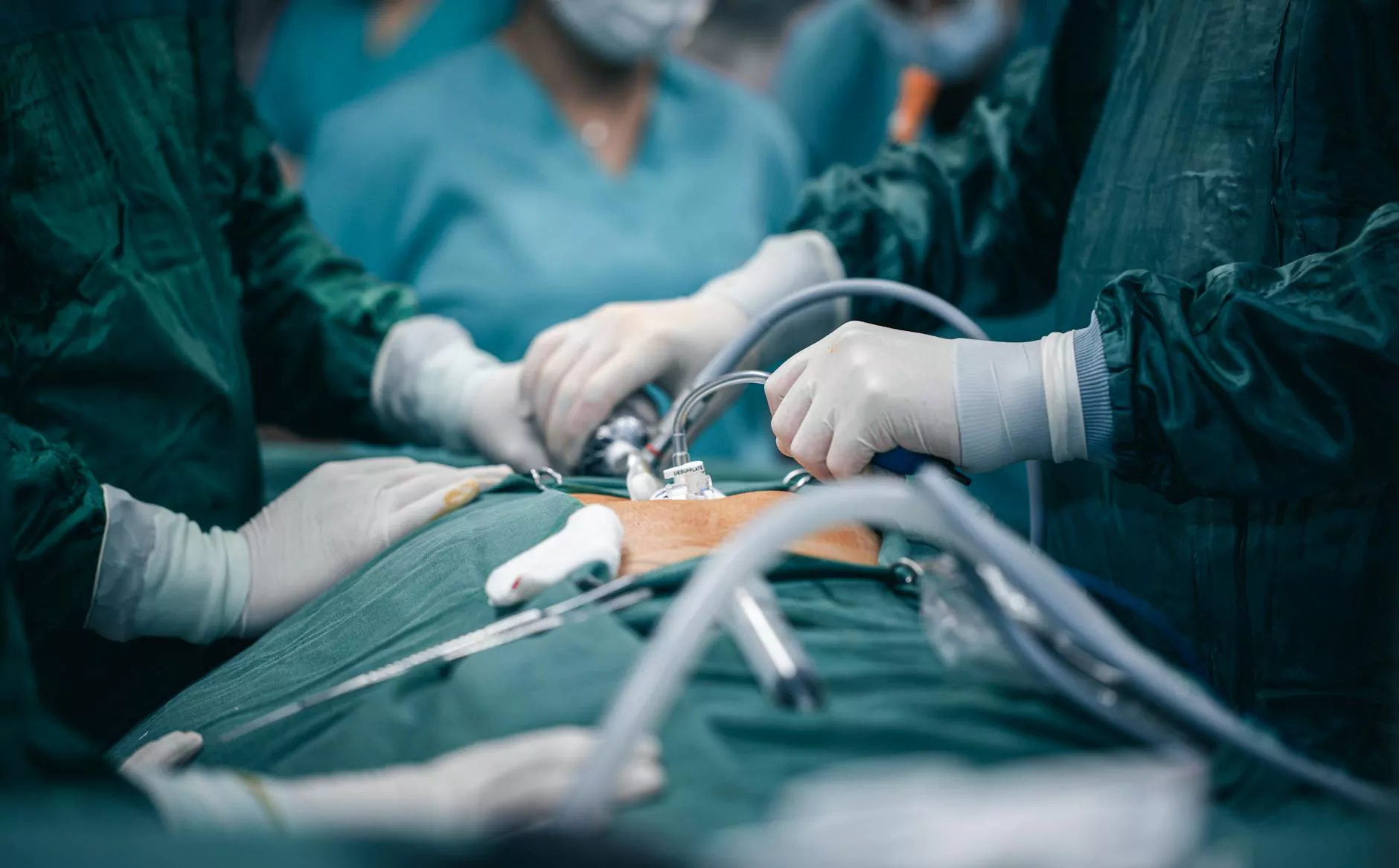
The field of obstetrics and gynecology continually advances with innovative surgical techniques aimed at improving patient outcomes. Among these procedures, the laparotomy salpingo oophorectomy stands out as a significant intervention for women experiencing a variety of gynecological conditions. Expert obstetricians and gynecologists, such as those at drseckin.com, utilize this procedure to treat complex ovarian and fallopian tube pathologies with precision and compassion.
Understanding the Anatomy and Purpose of Laparotomy Salpingo Oophorectomy
At its core, a laparotomy salpingo oophorectomy involves the surgical removal of the ovaries and fallopian tubes through an abdominal incision. This operation serves multiple purposes, including diagnosis, treatment of benign and malignant diseases, fertility preservation, and reduction of risk for ovarian or fallopian tube cancers.
What Is Laparotomy?
The term laparotomy originates from Greek roots: lapara meaning "flank" and tomia meaning "cut." It refers to a surgical procedure involving an incision into the abdomen to access the pelvic and abdominal organs. Compared to minimally invasive laparoscopic techniques, laparotomy provides enhanced visibility and access especially in complex or large pathology cases.
Role of Salpingo Oophorectomy in Gynecologic Surgery
The combined removal of the salpinges (fallopian tubes) and ovaries is an essential treatment modality for:
- Ovarian cysts or tumors, especially those suspected of malignancy
- Benign ovarian masses causing symptoms
- Ovarian torsion requiring prompt intervention
- Pelvic inflammatory disease with associated tubal or ovarian damage
- Prophylactic removal for high-risk women with genetic predispositions (e.g., BRCA mutations)
- Endometriosis affecting ovarian tissue
- Menopause-related relief in specific cases
Indications for Laparotomy Salpingo Oophorectomy
Understanding the indications helps contextualize why this surgical procedure might be necessary. They include:
- Malignant and benign ovarian tumors: Early detection and removal protect health and prevent metastasis.
- Persistent ovarian cysts: Especially when cysts are large, symptomatic, or suspected to be malignant.
- Pelvic Inflammatory Disease (PID): Extensive infection requiring surgical management.
- Ovarian torsion: A surgical emergency where the ovary twists on its ligamentous supports, cutting off blood supply.
- High genetic risk for ovarian cancer: Prophylactic removal to significantly reduce cancer risks in predisposed women.
- Endometriosis: Particularly when ovarian endometriomas cause pain and fertility issues.
The Surgical Procedure: Step-by-Step Overview of Laparotomy Salpingo Oophorectomy
The procedure begins with a thorough evaluation including imaging studies such as ultrasound, MRI, or CT scans. Once surgery is planned, the actual steps involve meticulous preparation to ensure safety and efficacy:
Preparation and Anesthesia
- Comprehensive preoperative assessment including blood work and imaging
- General anesthesia is administered to ensure patient comfort and immobility
- Prophylactic antibiotics are given to prevent infection
Incision and Access
The surgeon makes a large incision in the abdomen, typically a midline or transverse incision, to expose the abdominal cavity fully.
Identifying and Isolating Organs
The ovaries and fallopian tubes are carefully identified. The surgeon ensures preservation of critical structures like blood vessels and surrounding tissues.
Removal of Ovaries and Fallopian Tubes
- The blood supply to the ovaries and tubes is ligated and divided using advanced surgical clips or sutures.
- Ovaries and tubes are gently separated from surrounding tissues and removed.
Hemostasis and Closure
Surgeons ensure bleeding is controlled (hemostasis). The abdominal layers are meticulously sutured back for secure wound closure.
Benefits of Laparotomy Salpingo Oophorectomy
This surgery provides significant benefits, particularly when performed by experienced obstetricians and gynecologists at specialized centers like drseckin.com:
- Definitive treatment: Effectively addresses complex ovarian and tubal pathology.
- Fertility implications: In cases of bilateral oophorectomy, fertility is affected, but the procedure can preserve ovarian tissue in partial procedures.
- Cancer risk reduction: Prophylactic removal decreases the risk of ovarian and fallopian tube cancers.
- Relief from symptoms: Pain, pressure, or discomfort caused by ovarian cysts or endometriosis is alleviated.
Potential Risks and Complications
Despite its benefits, like all major surgeries, laparotomy salpingo oophorectomy carries potential risks:
- Bleeding and hematoma formation
- Infection at the surgical site
- Injury to surrounding organs: Bladder, bowel, or blood vessels
- Anesthesia-related complications
- Adhesion formation leading to bowel obstruction
- Hormonal changes: Especially if bilateral oophorectomy is performed, leading to menopause symptoms.
Postoperative Care and Recovery
Postoperative management focuses on pain control, prevention of complications, and gradual return to normal activities:
- Monitoring vital signs and wound healing
- Gradual mobilization to prevent blood clots
- Follow-up imaging and laboratory tests as needed
- Hormonal management in cases leading to menopause symptoms
Advances and Variants in Surgical Approach
While laparotomy remains a standard approach, advances in minimally invasive techniques, such as laparoscopy and robotic surgery, are increasingly preferred for suitable cases. However, laparotomy remains essential in complex or large-pathology cases due to its superior visualization and access, particularly in emergencies or extensive disease.
Choosing the Right Specialist: Why Expertise Matters
Performing a laparotomy salpingo oophorectomy requires a high level of expertise. Leading obstetricians and gynecologists have extensive experience with complex pelvic surgeries, ensuring optimal outcomes. Dr. Seckin and his team exemplify surgical excellence, combining skill with compassionate patient care.
Final Thoughts: Empowering Women Through Expert Surgical Care
The decision to undergo a laparotomy salpingo oophorectomy is significant, impacting overall health and quality of life. Modern surgical techniques, combined with expert care, maximize benefits while minimizing risks. Women facing gynecological challenges can rest assured that dedicated healthcare teams, like those at drseckin.com, provide personalized, evidence-based interventions to restore health and well-being.
Understanding the intricacies of laparotomy salpingo oophorectomy empowers women to make informed decisions about their reproductive and overall health. With continuous advancements in surgical technology and expertise, the future of gynecologic surgery continues to shine brightly—dedicated to excellence, safety, and patient-centered care.