Understanding the Power and Precision of Electronic Control Systems in Cars
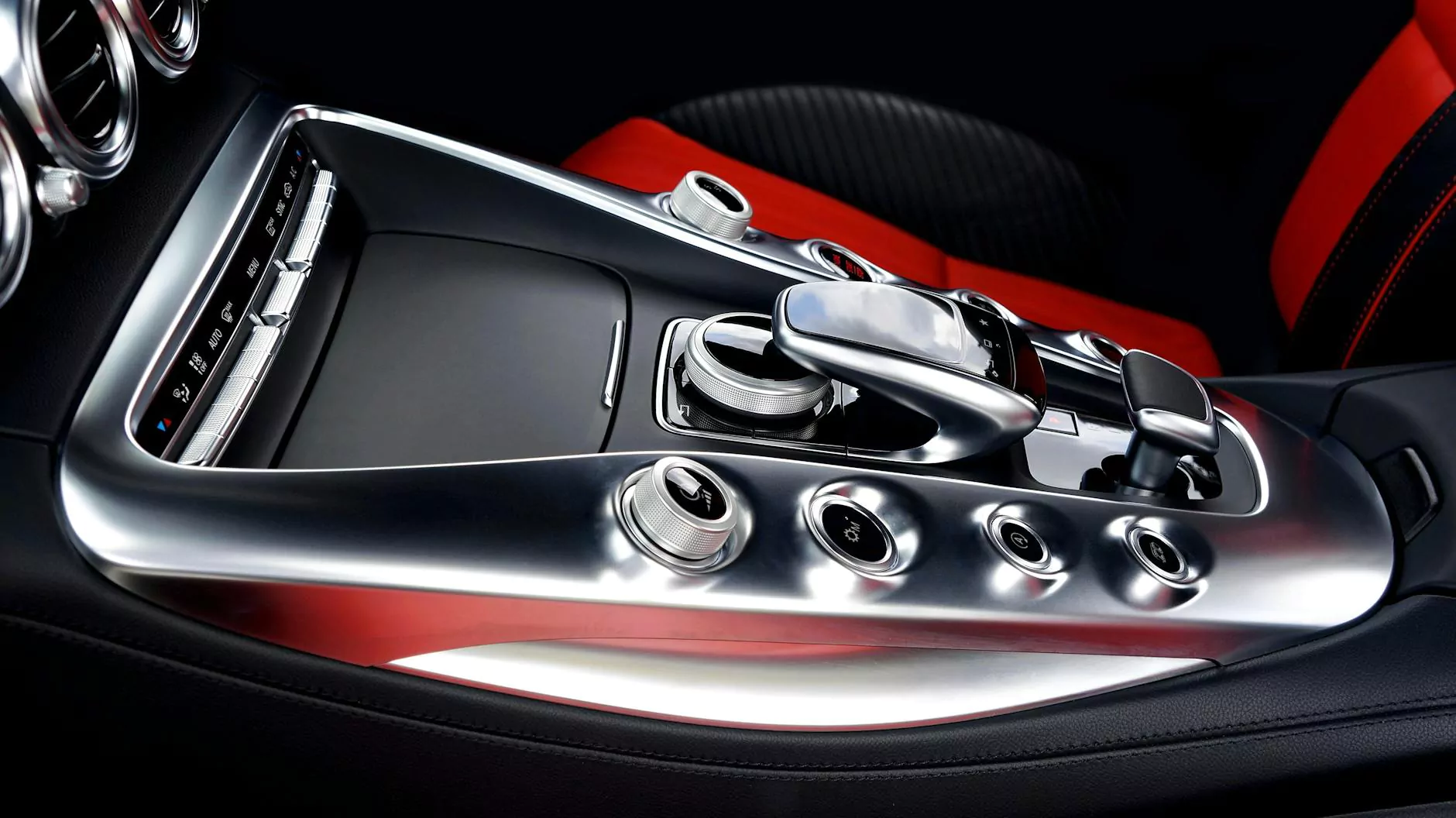
In the rapidly evolving landscape of automotive technology, electronic control systems in cars have become the backbone of modern vehicle operation. These sophisticated systems have transformed the driving experience, providing enhanced safety, superior vehicle performance, and increased fuel efficiency. As vehicles continue to integrate more electronic components, understanding the intricacies and significance of electronic control systems in cars is essential for manufacturers, mechanics, and car enthusiasts alike.
What Are Electronic Control Systems in Automotive Engineering?
Electronic control systems in cars refer to the network of electronic modules and sensors that monitor, regulate, and optimize various vehicle functions. These systems convert analog signals from physical sensors into digital data, which processors analyze to make real-time decisions, ensuring seamless automotive operations.
Unlike mechanical or hydraulic systems, electronic control units (ECUs) provide precise control over engine performance, safety features, comfort, and entertainment functions. They serve as the vehicle's centralized brain, coordinating complex processes through an interconnected system.
The Significance of Electronic Control System in Cars
The integration of electronic control systems in cars signifies a major leap toward smarter, safer, and more efficient vehicles. Here are some core reasons why these systems are indispensable:
- Enhanced Safety: Electronic systems like Anti-lock Braking System (ABS), Electronic Stability Control (ESC), and airbags rely on electronic controls to react instantaneously during critical situations, reducing accident risks.
- Improved Performance: ECUs fine-tune engine parameters, transmission shifts, and suspension responses for optimal driving dynamics.
- Fuel Efficiency: Electronic regulation reduces wastage through precise management of fuel injection, ignition, and idle speed.
- Diagnostics and Maintenance: Advanced systems continuously monitor vehicle health, providing diagnostic trouble codes (DTCs) that facilitate quick repairs and prevent failures.
- Driver Comfort and Convenience: Modern electronic controls manage climate control, infotainment, and driver-assistance features, significantly enhancing the driving experience.
Core Components of the Electronic Control System in Cars
To truly grasp the impact and functionality of electronic control systems in cars, understanding their main components is essential. These components work in unison to ensure optimal vehicle operation and safety.
1. Electronic Control Units (ECUs)
These are the main computers that process data from sensors and execute commands. Vehicles may have multiple ECUs dedicated to different functions such as engine management, transmission control, braking, and infotainment.
2. Sensors
Sensors collect real-time data about various parameters, including speed, temperature, pressure, position, and acceleration. Examples include oxygen sensors, throttle position sensors, wheel speed sensors, and gyroscopic sensors.
3. Actuators
Actuators are devices that carry out commands from ECUs, physically adjusting components like valves, throttle plates, or brake calipers to regulate vehicle functions efficiently.
4. Wiring and Communication Protocols
The backbone of electronic control systems is the robust wiring harness and communication standards such as CAN (Controller Area Network), LIN (Local Interconnect Network), and FlexRay, which facilitate seamless data exchange across modules.
The Functionality and Operation of Electronic Control System in Cars
The operation of an electronic control system in cars involves a continuous cycle of sensing, analyzing, and acting. This cycle enables the vehicle to respond adaptively to real-world conditions, ensuring safety, efficiency, and comfort.
Sensor Data Collection
High-precision sensors detect a multitude of parameters including engine temperature, vehicle speed, wheel rotation, steering angle, and road conditions. This data provides the foundational information for the control algorithms.
Data Processing and Decision Making
ECUs process the sensor data using embedded software algorithms that determine the necessary adjustments. For example, during slippery road conditions, the ESC might apply braking to individual wheels to stabilize the vehicle.
Execution of Commands by Actuators
Once the decisions are made, actuators enact changes by adjusting fuel flow, ignition timing, brake pressure, or suspension settings. The result is a finely tuned response that optimizes a specific aspect of vehicle performance.
Advancements in Electronic Control Systems
The evolution of electronic control systems in cars continues to accelerate, driven by innovations in artificial intelligence, connectivity, and sensor technology. These advancements unlock new capabilities and redefine vehicle functionalities.
Autonomous Vehicles
One of the most transformative developments is autonomous driving, which relies heavily on sophisticated electronic control systems combined with machine learning algorithms, LiDAR, and camera sensors. These systems interpret complex environments to safely navigate without human inputs.
Vehicle Connectivity and IoT
Connecting vehicles to the Internet of Things (IoT) enables real-time data sharing, over-the-air updates, and fleet management, all managed through advanced electronic control systems.
Smart Diagnostics and Predictive Maintenance
Future systems will forecast component failures before they occur, minimizing downtime and repair costs. This is made possible by integrated sensors and cloud-based analytics, enhancing electronic control system in cars capabilities.
Examples of Electronic Control System in Cars Technologies
Below are some leading examples where electronic control systems significantly enhance vehicle technologies:
- Anti-lock Braking System (ABS): Prevents wheel lock-up during hard braking, maintaining steering control.
- Electronic Stability Control (ESC): Detects loss of traction and automatically applies brakes to individual wheels to restore stability.
- Adaptive Cruise Control: Uses radar and cameras to maintain a safe following distance, adjusting speed automatically.
- Traction Control System (TCS): Prevents wheel spin during acceleration by reducing engine power or applying brakes.
- Electric Power Steering (EPS): Provides steering assistance that adapts to driving conditions for enhanced maneuverability.
The Role of Top-Quality Parts in Maintaining an Effective Electronic Control System in Cars
Ensuring the longevity and optimal function of vehicle electronic control systems hinges on the quality of components used. This includes sensors, ECUs, wiring, and actuators. 1autoparts.com offers a vast selection of reliable parts designed for various makes and models, ensuring your electronic systems operate flawlessly.
Choosing the Right Parts for Your Electronic Control System
When selecting components, consider:
- Compatibility: Ensure parts match your vehicle's specifications and model year.
- Quality: Use high-grade, OEM-quality components to guarantee durability and performance.
- Brand Reputation: Trust brands known for reliability in electronic automotive parts.
- Installation and Support: Choose parts with proper technical support and installation guidelines.
Maintaining Your Electronic Control System in Cars
Proper maintenance is vital for preventing electronic failures. Regular diagnostic checks with advanced scanner tools, keeping wiring free of corrosion, and replacing sensors or modules when necessary help sustain the system's accuracy and efficiency.
Future Outlook: The Next Generation of Electronic Control Systems in Cars
Looking ahead, the future of electronic control systems in cars promises even greater integration with artificial intelligence, enhanced connectivity, and the rise of fully autonomous vehicles. These advancements will bring about smarter, safer, and more sustainable transportation options, revolutionizing the way we think about driving and vehicle ownership.
Conclusion: The Imperative Role of Electronic Control Systems in Modern Vehicles
In conclusion, electronic control system in cars represents the pinnacle of automotive innovation. It harmonizes safety, performance, efficiency, and comfort, transforming traditional vehicles into intelligent machines. Whether it’s through advanced safety features like ABS and ESC, or future innovations like autonomous driving, electronic control systems are indispensable to modern automotive excellence.
At 1autoparts.com, we are committed to providing the highest quality electronic parts, ensuring your vehicle benefits from the latest in technology and reliability. Embrace the future of driving by understanding and supporting your vehicle’s electronic control systems—your safety and driving pleasure depend on it.